7 Anxiety Relief Techniques That Actually Work (And Why Breathwork Tops the List)
If you've ever felt your heart racing, your thoughts spiraling, and your chest tightening: you already know anxiety doesn't wait for a convenient moment to show up. It crashes into your Tuesday morning meeting, your quiet Sunday evening, and everything in between.
Here's the thing: there are so many anxiety relief techniques floating around the internet that it can feel overwhelming just trying to figure out where to start. Meditation apps, grounding exercises, supplements, therapy... the list goes on.
So let's cut through the noise. In this guide, we're exploring seven science-backed anxiety relief techniques that actually work: and why breathwork consistently rises to the top as one of the most powerful tools for nervous system regulation.
Why Your Nervous System Holds the Key
Before we dive into techniques, let's get a little nerdy for a second.
Anxiety isn't just "in your head." It's a full-body experience rooted in your autonomic nervous system. When you perceive a threat (real or imagined), your sympathetic nervous system kicks into fight-or-flight mode. Cortisol floods your system. Your heart rate spikes. Your breath becomes shallow.
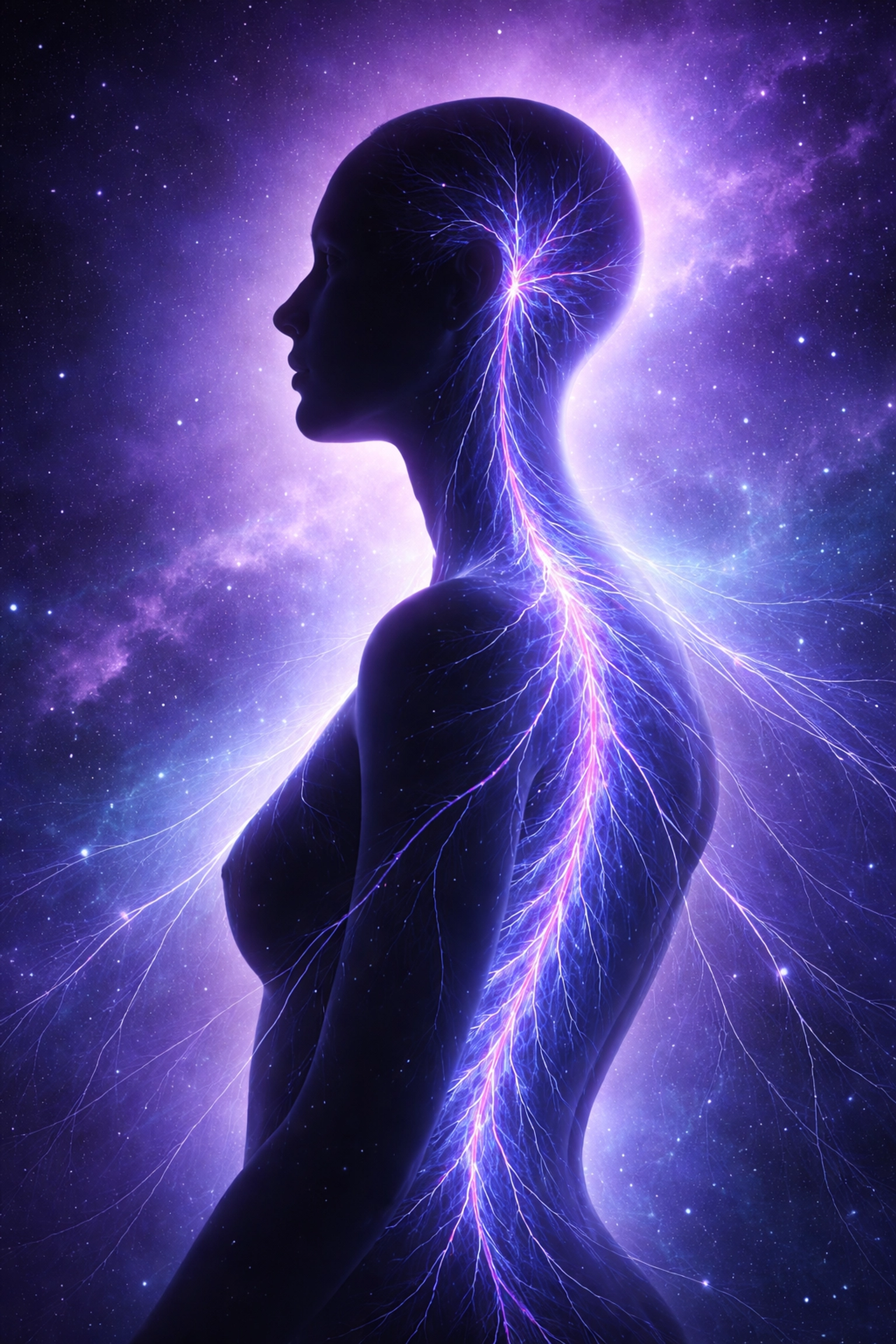
The pathway to calm? It runs through your parasympathetic nervous system: the "rest and digest" state. And here's where it gets interesting: certain anxiety relief techniques can directly activate this calming response, while others work more indirectly over time.
Understanding this distinction is transformational when you're seeking immediate relief versus long-term healing.
The 7 Anxiety Relief Techniques That Actually Deliver Results
1. Deep Breathing (Breathwork)
What it does: Breathwork directly regulates your nervous system by activating the vagus nerve: the superhighway between your brain and body. When you consciously slow and deepen your breath, you signal safety to your entire system.
The science: A 2023 meta-analysis published in Cell Reports Medicine found that breathwork interventions significantly reduced cortisol levels and self-reported stress compared to control groups. Researchers noted that slow, controlled breathing was particularly effective for reducing state anxiety: the acute, in-the-moment kind that hijacks your day (Balban et al., 2023).
Why it works fast: Unlike talk therapy, which processes anxiety through cognitive pathways, breathwork bypasses the thinking mind entirely. It speaks directly to your body's stress response, making it one of the most immediate tools available.
Try this: Inhale through your nose for 4 counts, hold for 4 counts, exhale through your mouth for 6 counts. Repeat for 2-3 minutes.
2. The 5-4-3-2-1 Grounding Technique
What it does: This sensory-based technique interrupts anxious thought patterns by anchoring you firmly in the present moment.
How to practice: Identify 5 things you see, 4 things you can touch, 3 things you hear, 2 things you smell, and 1 thing you taste. This simple practice redirects your brain's attention away from future-focused worry and into your immediate surroundings.
Best for: Moments of acute panic or overwhelm when your thoughts are spiraling.

3. Progressive Muscle Relaxation (PMR)
What it does: PMR releases physical tension stored in your body by systematically tensing and relaxing each muscle group.
The science: Research shows that chronic anxiety often manifests as muscle tension: tight shoulders, clenched jaw, constricted chest. PMR addresses this body-based component of anxiety, helping you recognize where you hold stress and consciously release it (McCallie et al., 2006).
How to practice: Starting with your toes, tense each muscle group for 5 seconds, then slowly release. Work your way up through your legs, abdomen, arms, and face.
4. Mindfulness Meditation
What it does: Mindfulness trains your brain to observe thoughts without judgment, reducing the mental reactivity that fuels anxiety.
The science: A landmark study in JAMA Internal Medicine found that mindfulness meditation programs showed moderate evidence of improving anxiety symptoms: sometimes rivaling the effectiveness of antidepressant medications (Goyal et al., 2014).
The catch: Mindfulness is a practice that builds over time. Unlike breathwork, it's less about immediate relief and more about rewiring your relationship with anxious thoughts long-term.
5. Physical Exercise
What it does: Movement releases endorphins, reduces cortisol, and gives your body a healthy outlet for fight-or-flight energy.
The science: The Anxiety and Depression Association of America notes that even a 10-minute walk can deliver several hours of anxiety relief. Regular exercise is associated with long-term reductions in anxiety sensitivity.
Best options: Walking, jogging, swimming, dancing: anything that gets your body moving counts.

6. Yoga
What it does: Yoga combines physical movement, breath awareness, and mindfulness into one integrative practice.
Why it works: The breath-focused nature of yoga means you're getting nervous system regulation benefits while also releasing physical tension. It's a beautiful bridge between body and mind.
Research note: Multiple studies have shown yoga to be effective for reducing both state and trait anxiety, with benefits increasing over consistent practice (Pascoe & Bauer, 2015).
7. Music Therapy
What it does: Music influences your emotional state, reduces muscle tension, and can lower stress hormones.
Best for: Creating a calming environment, transitioning out of a stressful workday, or supporting other relaxation practices.
So Why Does Breathwork Top the List?
Here's where we bring it all together.
Every technique on this list has scientific backing. Every technique can help. But breathwork holds a unique position because of three key factors:
1. Immediacy. Breathwork works in real-time. Within 2-3 minutes of conscious breathing, your nervous system begins shifting from sympathetic (stress) to parasympathetic (calm). You don't need weeks of practice to feel relief: you feel it now.
2. Accessibility. You can practice breathwork anywhere, anytime. No equipment needed. No app subscription required. Just you and your breath.
3. Direct nervous system access. While mindfulness and therapy work through cognitive pathways (top-down), breathwork works through physiological pathways (bottom-up). This is particularly important for state anxiety: the acute stress that needs immediate attention.
A growing body of research supports this. The 2023 Stanford study led by Dr. Andrew Huberman found that "cyclic sighing" (a specific breathwork pattern) was more effective at improving mood and reducing respiratory rate than mindfulness meditation (Balban et al., 2023).
This doesn't mean breathwork replaces therapy or meditation. It means breathwork offers something different: a direct, embodied pathway to reclaiming your calm in moments when you need it most.
Ready to Experience the Transformative Power of Breathwork?
If you're yearning for a breakthrough in your anxiety relief journey: something deeper than surface-level tips and quick fixes: 9D Breathwork offers a sacred, immersive experience designed to liberate your nervous system from stored stress and tension.
This isn't just breathing. It's a multi-dimensional journey combining breathwork with binaural brain entrainment, somatic release, and guided coaching to help you access profound healing states.
Book your 9D Breathwork session and discover why so many are calling this the most powerful anxiety relief technique they've ever experienced.
References
Balban, M. Y., Neri, E., Kogon, M. M., Weed, L., Nouriani, B., Jo, B., Holl, G., Zeitzer, J. M., Spiegel, D., & Huberman, A. D. (2023). Brief structured respiration practices enhance mood and reduce physiological arousal. Cell Reports Medicine, 4(1), 100895.
Goyal, M., Singh, S., Sibinga, E. M., et al. (2014). Meditation programs for psychological stress and well-being: A systematic review and meta-analysis. JAMA Internal Medicine, 174(3), 357-368.
McCallie, M. S., Blum, C. M., & Hood, C. J. (2006). Progressive muscle relaxation. Journal of Human Behavior in the Social Environment, 13(3), 51-66.
Pascoe, M. C., & Bauer, I. E. (2015). A systematic review of randomised control trials on the effects of yoga on stress measures and mood. Journal of Psychiatric Research, 68, 270-282.
Comments